
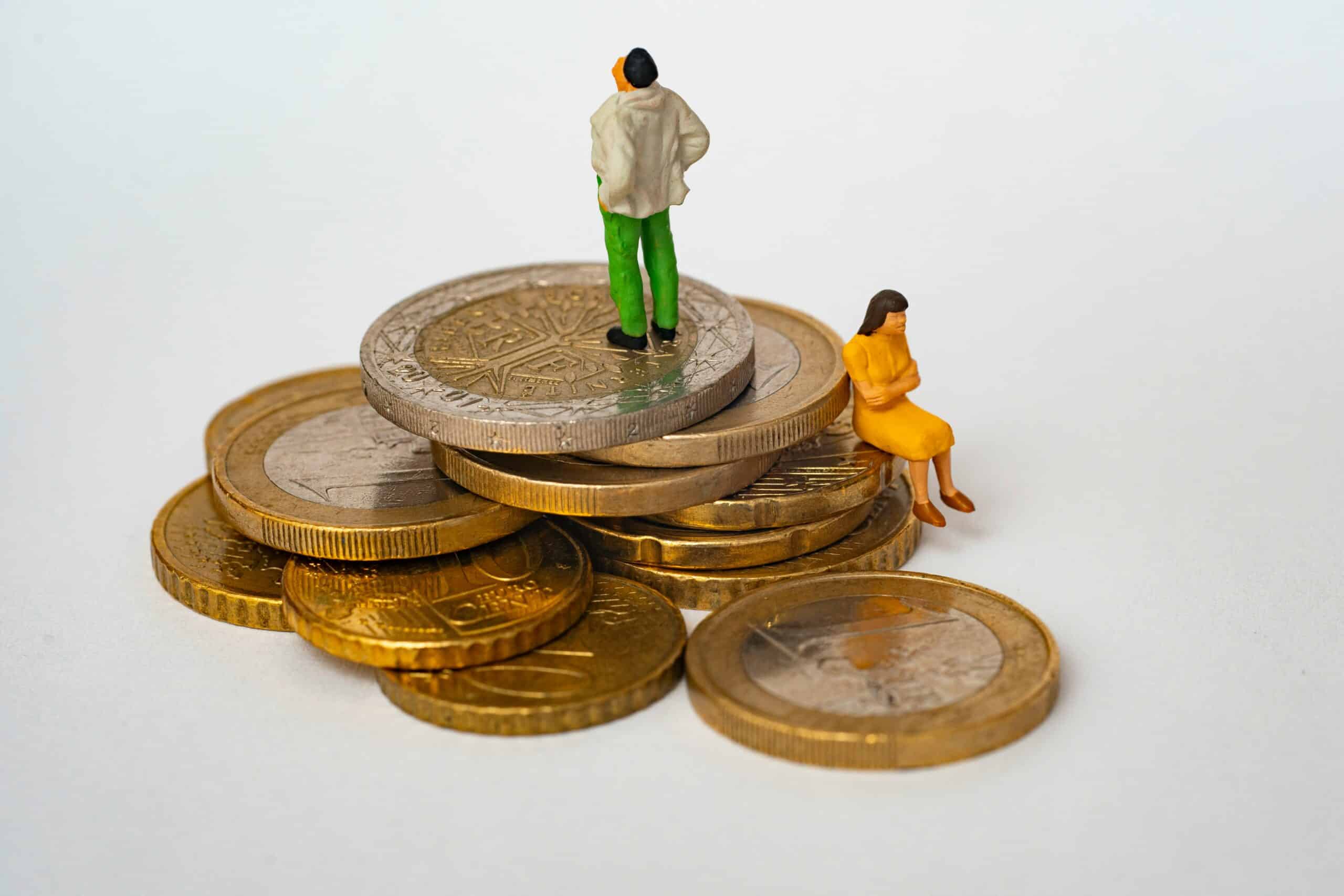
Compounding is one of the most celebrated forces in finance. Small investments, made consistently over time, become extraordinary wealth.
Our emotional lives obey the same law.
Only they compound in both directions.
We tell ourselves that because we have already invested so much, we should invest a little more.
One more year in the job that quietly diminishes us.
One more chance for the person who exhausted the last dozen.
A child to save a marriage that had quietly come apart.
Another apology. Another compromise. Another promise that this time will be different.
The next investment is no longer made because it is wise. It is made because it justifies the last one.
What began as hope becomes an ever-deeper investment in a life that no longer serves us.
We are often remarkably perceptive when it comes to other people. We can see their exhaustion, their grief, the places where they have outlived what once served them.
Yet when it comes to ourselves, we rarely know when to put down the shovel.
There comes a point when perseverance stops being courage and starts becoming the architect of our pain. We mistake endurance for strength, when in truth we have simply forgotten another way of living. Not because we are weak, but because pain, endured long enough, erases the memory of its opposite.
That familiarity has a name. Sometimes it is learned helplessness. Sometimes it is simply adaptation. Human beings can become accustomed to almost anything. Live in chaos and pain long enough, and they stop feeling like circumstances we endure and become environments we unconsciously recreate.
And all the while, we have never lost the ability to choose differently.
The life we want cannot emerge from repeating the decisions that built the life we are trying to escape.
To change your life, you must eventually change your life.
Compounding is neither good nor bad. It is simply faithful. It multiplies whatever we feed it.
Every boundary compounds.
Every difficult conversation compounds.
Every act of courage compounds.
Every day we choose ourselves compounds into a different future.
So does every day we don’t.
The question is not whether your choices are compounding.
They are.
The question is: What are they building?


2 Responses
Great content! Keep up the good work!
Обязательно к прочтению: физические займы