We have made exhaustion into a virtue. To be tired has become a kind of shorthand for importance—a subtle declaration that we are needed, productive, relevant. The fuller our calendars, the more we seem to matter.
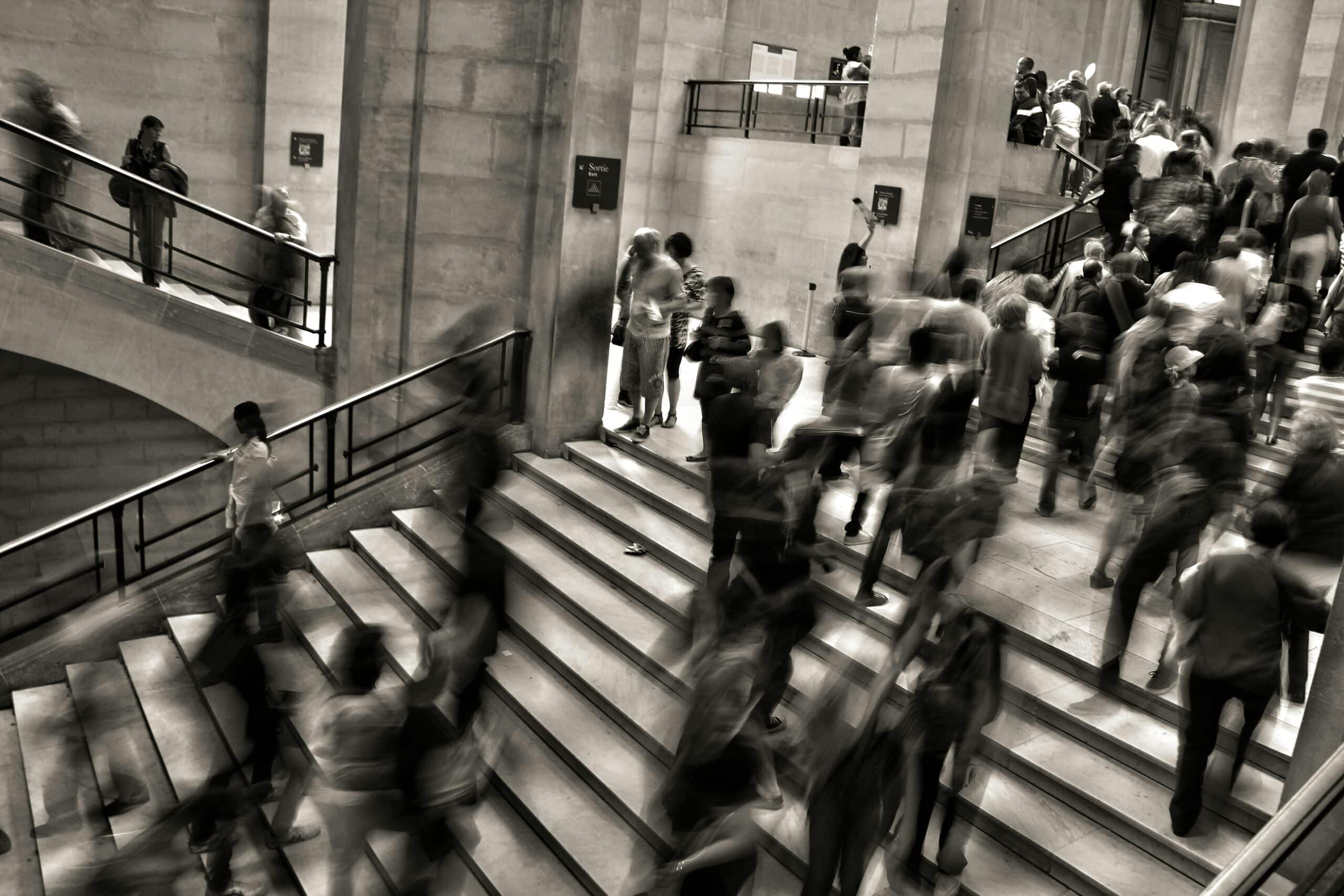
Everywhere we turn, the cult of busyness hums: sleepless colleagues wearing fatigue with pride, parents performing quiet heroics, dreamers chasing meaning through constant motion. The world applauds our weariness as evidence of engagement, not realizing that the applause drowns out a quieter, truer rhythm—the one that reminds us we are human, not machines.
I know this seduction well. For years, I wore tiredness like a medal, proof that I was living fully. Each checked box, each completed task, became a testament to worth. It took a forced stillness in Covid to start my realization that what I mistook for fullness was, in fact, depletion in disguise.
But we often love our exhaustion because it keeps us from hearing the quieter truths underneath. If we stop, we might have to listen. We might have to face what’s been waiting in the silence—our doubts, our griefs, the decisions we’re avoiding making, our unmet selves. So we run faster, call it ambition, and baptize our fatigue as purpose.
The body, though, has its own wisdom. It whispers long before it breaks, asking for gentleness, for replenishment. It pleads through a myriad of symptoms, through that hollow ache in the chest that no achievement can fill. It knows what we try to forget: that creativity, joy, and meaning do not grow in barren soil. They bloom in balance—in the fertile quiet between effort and ease.
We owe ourselves that grace. We owe our lives the kind of care that doesn’t demand performance as proof of worth.
We’ve mistaken motion for meaning, busyness for success. But what is the quality of our living if we can’t sit, even for a moment, in stillness? What might emerge if we allowed space—for nothing, for breath, for being?
Unfilled time is not wasted time. It is the quiet in which we remember who we are, beneath the noise of achievement. The body restores. The soul exhales. The heart, at last, catches up to its own rhythm.
Only in the pause do we remember that balance is the truest measure of a life well lived.